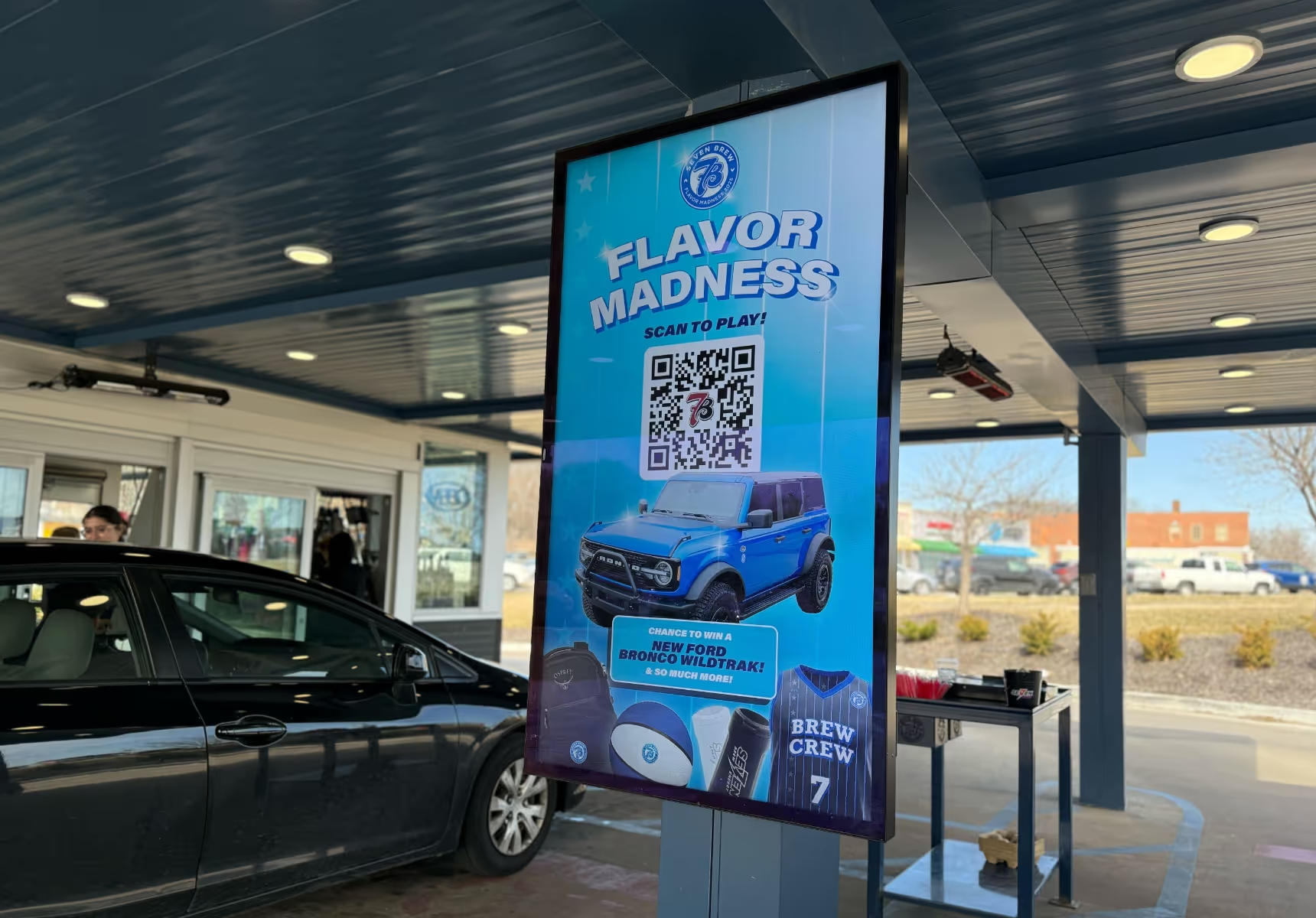
Gamified marketing is no longer a niche tactic. Brands across retail, QSR, sports, entertainment, beverages and e-commerce are increasingly using interactive experiences to generate leads, collect first-party data, and drive customer engagement.
From quizzes and prediction games to sweepstakes, brackets, and instant-win experiences, there are now many tools promising to help brands engage audiences and grow their customer databases.
But not all gamification platforms are created equal. If you’re evaluating providers, here are seven questions every brand should ask before making a decision.
Engagement is important. But engagement alone doesn’t grow your brand.
Many gamification tools focus heavily on participation metrics, impressions, or time spent interacting with a campaign. While those numbers can look impressive, marketers ultimately need outcomes that contribute to growth. When evaluating a platform, ask:
The strongest gamified campaigns don’t just create engagement. They create future marketing opportunities.
Today’s marketers need more than names and email addresses.They need customer insights.
A well-designed gamified experience can help brands understand customer preferences, interests, purchase intent, loyalty behaviors, and much more.
For example, a quiz can reveal product preferences. A prediction game can uncover behavioral trends. A progressive contest can create repeat interactions that generate valuable engagement data over time.
When evaluating a platform, ask:
As third-party cookies continue to disappear, this question becomes increasingly important.
Different marketing objectives require different game mechanics.
A campaign designed to drive awareness may benefit from an instant-win experience. A campaign focused on data collection and increased audience insights may perform better with a quiz. A campaign tied to a major sporting event may be best served by a prediction game or bracket challenge.
Ask providers:
The more flexibility a platform provides, the more opportunities you’ll have to use it across your marketing calendar.
Generating leads is only valuable if those leads can be activated.
Before selecting a platform, understand how it fits into your broader marketing ecosystem.
Questions to ask include:
The best gamification platforms don’t operate in isolation. They become part of a larger acquisition, retention, and customer engagement strategy.
Marketing opportunities don’t wait. Whether it’s a major sporting event, a seasonal promotion, a product launch, or a limited-time offer, speed matters.
Some platforms require extensive development resources and lengthy implementation timelines. Others can be launched far more quickly. Ask:
The faster a platform can move, the more opportunities your team can capitalize on throughout the year.
Many campaigns generate a single interaction and then disappear. The most successful gamified marketing programs create reasons for customers to return.
Examples include:
Repeat engagement creates additional touchpoints, generates more first-party data, and increases the overall value of a campaign.
When evaluating a provider, don’t just ask how many people participate.
Ask how many come back.
Every marketing investment should have measurable outcomes.
A gamification platform should make it easy to understand what’s working and what isn’t.
Key metrics may include:
Without clear reporting, it’s difficult to understand the true business value of a campaign.
The strongest providers help marketers connect engagement metrics to business outcomes.
The gamification platform landscape has evolved significantly over the past few years.
Today’s marketers need more than a simple contest tool. They need solutions that help generate leads, collect first-party data, create repeat engagement, and integrate seamlessly into their existing marketing ecosystem.
If you’re evaluating gamification providers, start with these seven questions.
The answers will tell you far more than a product demo ever will.
And ultimately, they’ll help you identify a platform capable of delivering measurable business results - not just participation.
If you’re exploring gamified lead generation, understanding how the campaign is architected matters more than the game format itself. Working with +200 brands, these results are a direct outcome of how WIT’s 10-Day Gamification Framework is structured. Get your gamification blueprint.
